The importance of orthopedic devices for patient recovery.
Orthopedics, a fundamental branch of medicine, has evolved significantly over time with the goal of improving the quality of life of millions of people who face issues within their musculoskeletal system. Since its beginnings, this discipline has developed innovative tools and devices that not only treat injuries and deformities, but also restore mobility, reduce pain, and promote patient independence.
Orthopedic devices are an essential part of this progress, designed to adapt to the specific needs of each patient. Their importance lies in their ability to facilitate recovery, prevent complications, and give people back the ability to perform activities that once seemed impossible.
Today, technology has revolutionized these devices by incorporating advanced materials, electronic sensors, and customization through techniques such as 3D printing. Thanks to these advancements, orthopedic devices not only serve a therapeutic function, but also transform the lives of those who use them, allowing them to overcome barriers and achieve new goals.
In this article, we will explore in depth what orthopedic devices are, their types, applications, and benefits, highlighting how they have become indispensable allies for patients of all ages and conditions.
You may also be interested in: Early intervention equipment: helping improve a child’s quality of life
What Are Orthopedic Devices?
Orthopedic devices are medical aids specifically designed to prevent and treat deformities and injuries of the musculoskeletal system. They are also used to restore the functions of the human body, its joints, and all associated structures.
Many fields within specialized medicine make use of orthopedic devices, including rehabilitation and injury prevention, post-operative care, osteoarthritis management, among others. Orthopedic devices range from bandages, prosthetics, and splints to special aids such as walkers and canes. They are mainly classified into three categories:
1. Fixation Devices
Fixation devices are designed to fully or partially immobilize a joint or bone structure, allowing for safe recovery. They are essential in the treatment of fractures, soft tissue injuries, or reconstructive surgeries.
-
Internal screws and plates: used in surgeries to keep fractures properly aligned.
-
External fixators: bars and pins that stabilize bones from outside the body.
-
Splints: help maintain range of motion and stabilize injured joints or bones.
2. Offloading Devices
These devices redistribute load or pressure on the limbs, reducing pain and promoting rest.
-
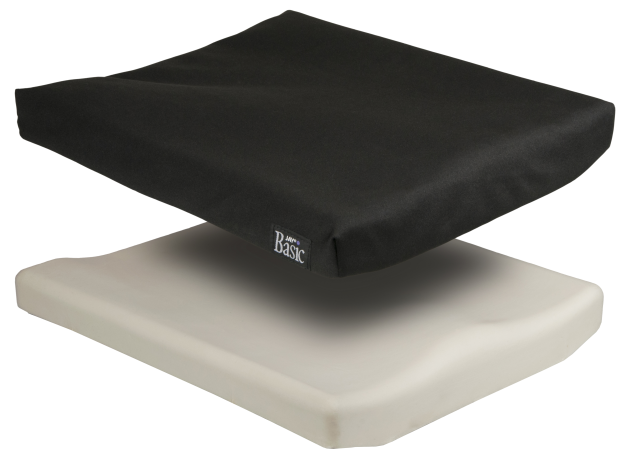
Pressure management cushions: prevent ulcers in immobilized patients.
-
Orthopedic insoles: reduce impact on feet and joints while walking.
-
Canes and walkers: provide support and relief by transferring part of the body’s weight to the arms.
3. Corrective Devices
Their purpose is to gradually correct deformities or prevent them from worsening, restoring alignment and functionality of the musculoskeletal system.
-
Orthopedic braces: used for scoliosis or spinal deformities.
-
Dynamic splints: help improve movement in tendon or muscle injuries.
-
Orthopedic footwear: designed to correct postural problems and foot deformities.
4. Functional or Support Devices
These devices help compensate for the loss of physical functions, making it easier to perform daily activities.
-
Prosthetics: replace amputated limbs.
-
Knee orthoses: provide support for patients with injuries or instability in this joint.
-
Exoskeletons: help people with partial paralysis walk or perform basic movements.
5. Pediatric Devices
Specially designed for children, these devices take into account continuous growth and the specific needs of pediatric patients.
-
Cranial orthoses: correct cranial deformities in infants.
-
Pediatric braces: treat scoliosis and postural problems.
-
Special adapted footwear: designed for children with congenital deformities.
6. Customized Devices
These devices are designed specifically for each patient’s anatomical characteristics and individual needs.
-
Custom prosthetics: adapted to the user’s lifestyle.
-
Specific orthoses: designed according to the patient’s activity level and condition.
-
Custom insoles: manufactured to treat specific gait abnormalities.
It is important to note that orthopedic devices should only be used under the prescription, recommendation, and supervision of a medical specialist, as they are external agents applied to the body and require guided use to fulfill their purpose of relieving patients. Additionally, these devices must meet certain characteristics, such as:
-
They must provide comfort to patients.
-
Their design should be easy to understand and use, meaning they can be put on and taken off without difficulty.
-
The materials must be strong enough to provide support, stability, and long service life, while also being gentle enough not to cause harm to patients.
-
Ideally, they should be adjustable according to the patient’s growth or progress.
You may also be interested in: The history behind sports wheelchairs
The Importance of Orthopedic Devices
The field of orthopedics remains in constant evolution, as musculoskeletal disorders—such as degenerative conditions, trauma, and deformities—cover a wide range of diseases including osteoarthritis, bone fractures, and scoliosis. Therefore, continuous research is required to discover the most effective ways to provide efficient treatment while designing orthopedic devices that contribute to patient recovery and rehabilitation.
There are numerous conditions and ailments managed through orthopedic procedures. Some are caused by traumatic injuries, while others result from infections that lead to muscle strains or degenerative diseases affecting the musculoskeletal system.
Orthopedic services and devices are directly related to patients’ quality of life, as they are key to restoring mobility, reducing pain, and improving the lifestyle of millions of people who face musculoskeletal injuries each year. The most common orthopedic conditions requiring special devices include:
-
Carpal tunnel syndrome
-
Fractures
-
Broken bones
-
Hernias (sports hernia)
-
Spinal cord injuries
-
Ankle and foot sprains
Benefits of Using Orthopedic Devices
Orthopedic devices serve multiple medical purposes and are a key part of successful orthopedic treatment. Below are some of the benefits these medical devices offer patients:
-
They help relieve pain and discomfort while recovering from injuries or surgeries.
-
They contribute to restoring normal joint function so that long-term quality of life is not affected by disability.
-
They help reduce the risk of further injuries by providing support and stability to the musculoskeletal system.
-
They allow patients to feel more confident when returning to physical therapy.
-
They help patients maintain their quality of life by improving their overall health condition.
Frequently Asked Questions
How long should I use an orthopedic device?
The duration depends on the medical condition and the recommendations of your doctor or physical therapist. It may range from weeks for a minor injury to months or even permanent use in chronic cases.
Is it necessary to use a custom orthopedic device?
It depends on the case. Some standard devices are sufficient for general conditions, but in specific cases—such as severe deformities or anatomical differences—custom devices offer greater effectiveness and comfort.
How do I know if I need an orthopedic device?
Only a medical specialist or physical therapist can determine whether you need an orthopedic device, based on a detailed diagnosis and your medical history.
How do you keep an orthopedic device in good condition?
-
Clean the device regularly using products recommended by the manufacturer.
-
Check frequently for signs of wear.
-
Avoid exposing it to extreme temperatures.
-
Follow the usage and maintenance instructions provided by the specialist.
Do orthopedic devices cause pain or discomfort?
It is normal to feel some discomfort at first while the body adapts to the device. However, it should not cause persistent pain. If it does, consult your doctor to have the device adjusted.
Can orthopedic devices be used during exercise or physical activity?
Yes, but it depends on the type of device and the activity. Some are specifically designed for use during exercise and provide additional support, while others should be removed to prevent injury.
What happens if I do not use the orthopedic device as indicated?
Failing to follow recommendations may delay recovery, worsen the condition, or cause additional complications. It is essential to use the device as instructed by the specialist.
Finally, remember that orthopedic devices are used in conjunction with medical treatment to help patients achieve recovery in the shortest possible time. Additionally, they should be custom-made to meet the specific needs of each musculoskeletal system.
If you enjoyed learning about orthopedic devices, we invite you to visit our blog, where we share valuable information about mobility and rehabilitation devices. At Loh Medical, we offer orthopedic devices ideal for rehabilitation and injury recovery. Visit us!