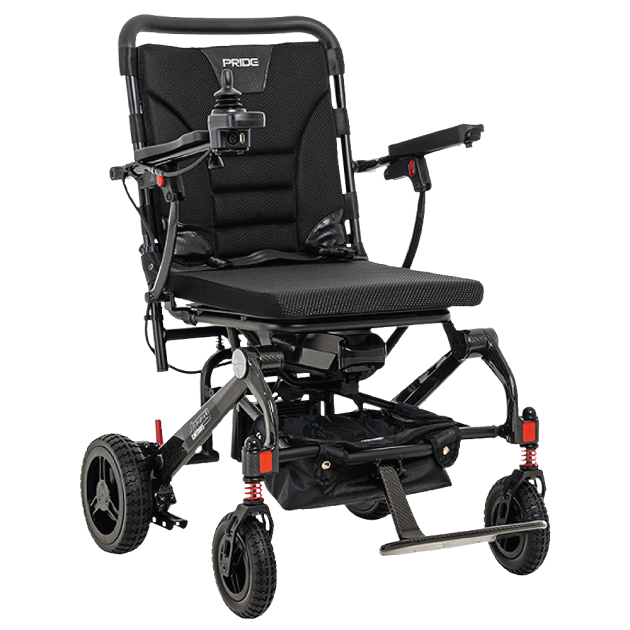
Wheelchairs for neurological diseases: how to choose the right one according to the diagnosis?
If you are looking for a wheelchair for someone with a neurological condition—a family member, a patient, or yourself—you probably already know that not just any wheelchair will do. And that intuition is correct.
A wheelchair for neurological conditions is not the same as the standard wheelchair you see in a pharmacy or a hospital hallway. Neurological conditions create postural, support, and safety needs that a conventional wheelchair simply cannot address.
Wheelchair for Neurological Conditions
In this guide, we explain what you should consider, without unnecessary technical jargon and with information that will genuinely help you make the right decision.
We invite you to read: 10 Basic Features for Rehabilitation Equipment to Work Properly
Why Is a Conventional Wheelchair Not Enough?
When the nervous system is affected, the body loses part of its ability to maintain proper alignment on its own. There may be low muscle tone, spasticity, difficulty controlling the trunk or head, or a combination of all of these. A standard wheelchair has no way to compensate for these challenges.
The result of using an unsuitable wheelchair is not just discomfort. In the medium and long term, secondary scoliosis, pressure ulcers, breathing or swallowing difficulties, and an overall decline in health may occur—issues that could often have been prevented. That is why choosing the right equipment is so important.
A neurological wheelchair is designed to provide support where the body needs it most: the pelvis, trunk, head, and extremities. It offers more adjustable components, more customization options, and above all, it is designed so that the user can remain seated safely and functionally for several hours.
The Most Common Conditions That Require One
There is not just one neurological condition—there are many, and each presents different challenges.
Cerebral palsy. Depending on the type and severity of the condition, needs can vary significantly. In cases involving greater motor impairment, the wheelchair requires complete support systems: lateral trunk supports, hip supports, headrests, and tilt mechanisms. The goal is not simply to seat the user but to achieve a posture that promotes breathing, swallowing, and communication.
Multiple sclerosis. Fatigue is a key factor here. A wheelchair for multiple sclerosis should be lightweight and easy to propel—or in some cases powered—and include reclining options to help manage spasticity and exhaustion throughout the day.
Parkinson’s disease. Rigidity, tremors, and postural instability make sitting safely more complex than it may seem. A wheelchair for Parkinson’s disease requires good pelvic stability and, in advanced stages, trunk and head support.
ALS, spinal cord injury, stroke, or traumatic brain injury. Each has its own unique characteristics, but they all share one thing in common: the wheelchair must adapt to the person’s real needs, not the other way around.
What Makes These Wheelchairs Special: Postural Support Systems
When discussing a wheelchair with postural support, we are talking about a set of components that work together to keep the user aligned and comfortable. The most important include:
The pelvis comes first. Everything starts there. A properly configured seat and a correctly positioned pelvic belt (at a 45° angle, not across the abdomen) form the foundation of proper positioning. If the pelvis is misaligned, everything else becomes compromised.
Lateral trunk supports. These prevent the user from leaning to the sides. They are essential for individuals with low muscle tone or a tendency toward scoliosis.
The cushion. It is not a minor accessory. A quality cushion redistributes pressure and serves as the first line of defense against pressure ulcers. Options include contoured foam, gel, air, and hybrid designs, with the right choice depending on the individual’s risk level.
Adjustable footrests and armrests. Incorrect footrest height can create tension in the hips and spine without anyone noticing until consequences appear.
Tilt and Recline: They Are Not the Same Thing
This point confuses many families, so it is worth explaining carefully.
A reclining wheelchair tilts only the backrest backward, opening the angle between the seat and the backrest. It helps facilitate caregiving tasks—such as diaper changes, catheterization, and feeding—and can relieve some pressure in the lower body. The problem is that when only the backrest moves, the user tends to slide forward, which may irritate the skin and compromise positioning.
A tilt-in-space wheelchair tilts the entire seating system as one unit: the seat and backrest move together without changing the angle between them. The user remains in position, and weight is redistributed safely toward the back. This is especially useful for preventing pressure ulcers during long periods of sitting and for reducing muscle fatigue.
In many cases, the ideal solution is to combine both functions. Tilt for postural relief and pressure redistribution, and recline for caregiving tasks. Whether you need one, the other, or both should be determined through a clinical assessment.
Head Support: When the Head Needs Assistance Too
Head support for wheelchairs is indicated when a person cannot maintain stable head control independently. This is not only a matter of comfort: head control is directly related to vision, communication, swallowing, and breathing.
An improperly adjusted head support can cause more harm than having none at all. The correct type—linear, three-point, or with a forehead strap—must be selected and adjusted precisely. For this reason, when head support is required, it is one of the aspects that demands the greatest attention during evaluation.
Pressure Ulcer Prevention and Long-Term Comfort
If the user spends many hours in the wheelchair, pressure ulcer prevention is not optional. These are the essential measures:
Use a cushion appropriate for the individual’s specific risk level.
Perform pressure relief every 15 to 30 minutes, either by tilting the wheelchair or with caregiver assistance.
Check the skin regularly around the ischial tuberosities, sacrum, trochanters, and heels.
Ensure that no support component is creating localized pressure.
And there is something often overlooked: cushions wear out. A cushion that has been used for years may have lost half of its protective capacity without any obvious signs. Periodic inspection and replacement are part of proper care.
You may also be interested in: Everything You Need to Know About Powered Wheelchairs
How Do You Know Which Wheelchair Is Right for You or Your Family Member?
The honest answer is: through a specialized assessment. There is no one-size-fits-all formula.
However, you can arrive at that assessment with a clear understanding of several key points:
How much control does the user have over their trunk, head, and extremities?
Will the user propel the wheelchair independently, or will assistance always be required?
Will it be used primarily indoors, outdoors, or both?
Are there health conditions that create a high risk of pressure ulcers?
Is the condition stable or progressive?
With this information, an occupational therapist or physical therapist experienced in assistive technology can guide you toward the most appropriate options. The goal is not to choose the most expensive or technologically advanced wheelchair, but rather the one that best fits the individual, their circumstances, and their environment.
One Final Thought
Choosing the right wheelchair for neurological conditions is a decision that affects posture, health, and quality of life for years to come. It is not just a piece of equipment—it becomes part of the user's everyday environment.
At Loh Medical, we have been supporting this process for more than 20 years. If you have questions about what type of wheelchair you need, our team can guide you with a genuine clinical approach, without trying to sell you something you do not need.
Ready to find the right solution? Contact us and let’s start by understanding your specific situation.