What is technical support and how does it help people with disabilities?
Technical Support for People with Disabilities
Technical support is a key element in improving the quality of life for people with disabilities. According to the World Health Organization, a person with a disability presents physical, mental, or sensory limitations that can affect their autonomy, either temporarily or permanently.
Currently, around 10% of the world's population lives with some form of disability, and this figure continues to rise. Therefore, understanding the role of technical support is fundamental to ensuring inclusion, accessibility, and well-being.
In this article, you will learn what technical support is, how it works, its benefits, and who can make the most of these solutions in their daily lives.
What is technical support for people with disabilities?
Technical support refers to all assistive technologies designed to remove accessibility barriers and facilitate the daily lives of people with disabilities or older adults.
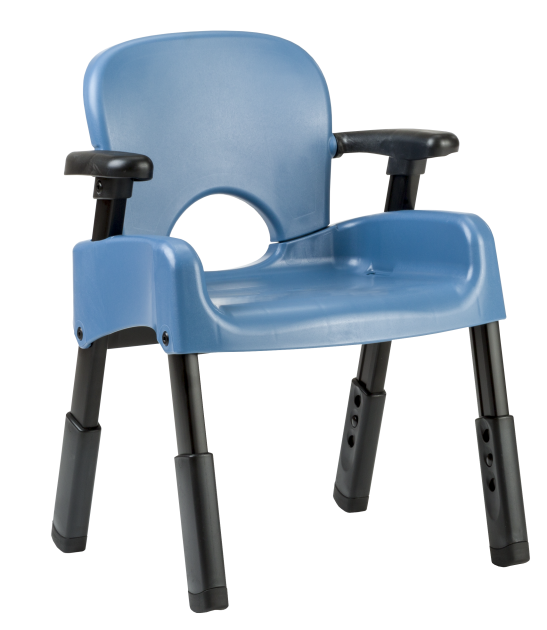
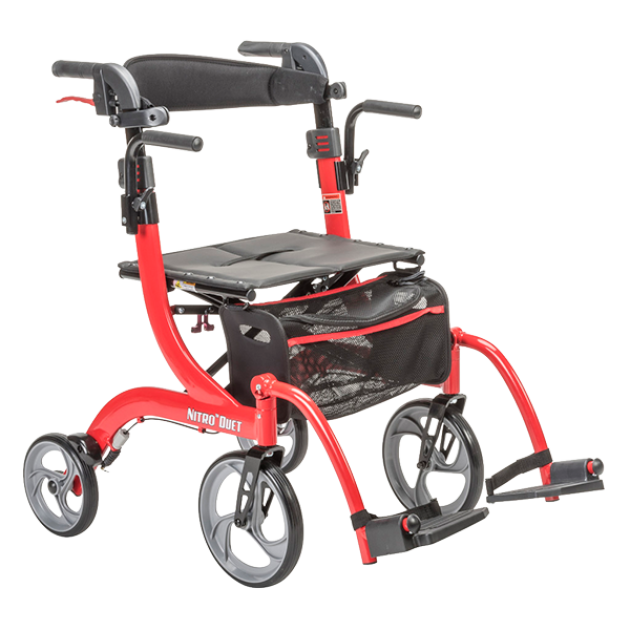
These solutions include both digital tools and physical devices that improve mobility, communication, and independence. Some examples are screen readers, braille devices, walkers, scooters, and wheelchairs.
More than just an aid, technical support is a way to guarantee active participation in society, allowing people to engage in social, work, and cultural environments with greater autonomy.
How does technical support contribute to mobility and autonomy?
One of the main contributions of technical support is improving mobility and facilitating independence in daily activities. Many people with disabilities face difficulties performing basic tasks such as moving around, dressing, or feeding themselves.
Thanks to assistive technology, it is possible to regain part of the control over these activities and improve quality of life. This impacts not only physical well-being, but also safety and social interaction.
In terms of mobility, technical support allows users to move around in different environments, whether public or private spaces, with greater freedom and spontaneity. Equipment such as manual or power wheelchairs has evolved significantly, adapting to individual needs and even incorporating advanced functions like climbing stairs.
What are the benefits of technical support?
The impact of technical support goes far beyond the physical aspect. Its implementation reduces limitations, boosts abilities, and improves self-perception.
Among its main benefits, the following stand out:
-
Promotes independence and control over daily life
-
Improves social and work participation
-
Reduces accessibility barriers
-
Increases safety in daily activities
-
Promotes better self-perception
Benefits of technical support in daily life
|
Benefit |
Impact on the user |
Result |
|---|---|---|
|
Autonomy |
Greater independence |
Improves quality of life |
|
Mobility |
Safe movement |
Greater social participation |
|
Accessibility |
Removal of barriers |
Inclusion |
|
Safety |
Lower risk of accidents |
Confidence |
What types of technical support exist?
Technical support encompasses different solutions depending on the type of disability and the user's needs.
Some of the most widely used include:
-
Mobility devices such as wheelchairs, canes, or walkers
-
Visual technologies such as screen readers or braille systems
-
Hearing equipment such as amplifying hearing aids
-
Adapted digital tools such as accessible mobile applications
Each of these technologies seeks to compensate for a specific limitation and facilitate interaction with the environment.
Who benefits from technical support?
Technical support is aimed at a wide variety of people presenting different health conditions or life stages.
Types of disability and technical support solutions
|
Type of condition |
Characteristics |
Technical support example |
|---|---|---|
|
Motor impairment |
Difficulty moving |
Wheelchairs, walkers |
|
Visual impairment |
Limitation in vision |
Screen readers, braille |
|
Hearing impairment |
Hearing problems |
Hearing aids |
|
Cognitive disability |
Learning difficulties |
Adapted apps |
|
Older adult |
Functional decline |
Assistive devices |
Motor impairment
This is related to difficulties in movement, coordination, or balance. It can be temporary or permanent and requires devices that facilitate mobility.
Visual impairment
Includes different levels of vision loss. Technical support helps improve interaction with the environment through specialized tools.
Hearing impairment
Refers to the reduction or loss of hearing. Hearing devices help improve communication and perception of the surroundings.
Cognitive disability
Affects processes such as memory, learning, or reasoning. Technology helps compensate for these limitations.
Old age
Aging involves physical and functional changes that may require technical support to maintain independence.
What challenges exist in accessing technical support?
Despite its benefits, access to technical support remains limited. According to the WHO, only 10% of people who need it have access to these solutions.
The main barriers include:
-
High costs
-
Lack of availability
-
Shortage of specialized training
-
Insufficient policies
These limitations can lead to social exclusion and affect the well-being of people with disabilities.
How to promote access to technical support?
Promoting the use of technical support requires a joint effort among society, health professionals, and government entities.
Some key actions include:
-
Raising awareness about the importance of assistive technology
-
Promoting policies for access and inclusion
-
Facilitating education on device usage
-
Encouraging technological innovation
Fostering these initiatives helps improve the quality of life for millions of people.
Frequently Asked Questions
-
Does technical support replace medical care?
No. It is a complement that facilitates daily life, but it must be accompanied by professional care.
-
Do all people with disabilities need it?
It depends on the level of impairment and individual needs.
-
Is it possible to use technical support at home?
Yes. Many devices are designed for home use.
-
Does technical support improve quality of life?
Yes, as it increases autonomy, safety, and social participation.
Technical support is a fundamental tool for improving the autonomy, mobility, and inclusion of people with disabilities. Its impact is reflected not only in physical health but also in emotional and social well-being.
As technology continues to advance, new opportunities arise to offer more accessible, personalized, and efficient solutions. However, work is still needed to reduce access barriers so that more people can benefit from these tools.
Promoting the use of technical support not only transforms the lives of those who use it, but also contributes to building a more inclusive, equitable society that is mindful of everyone's needs.
If you want to learn more about mobility solutions and assistive technology, we invite you to visit our blog. At Loh Medical we work to offer you technical support equipment such as wheelchairs, walkers, and scooters designed to improve your quality of life and that of your loved ones.