

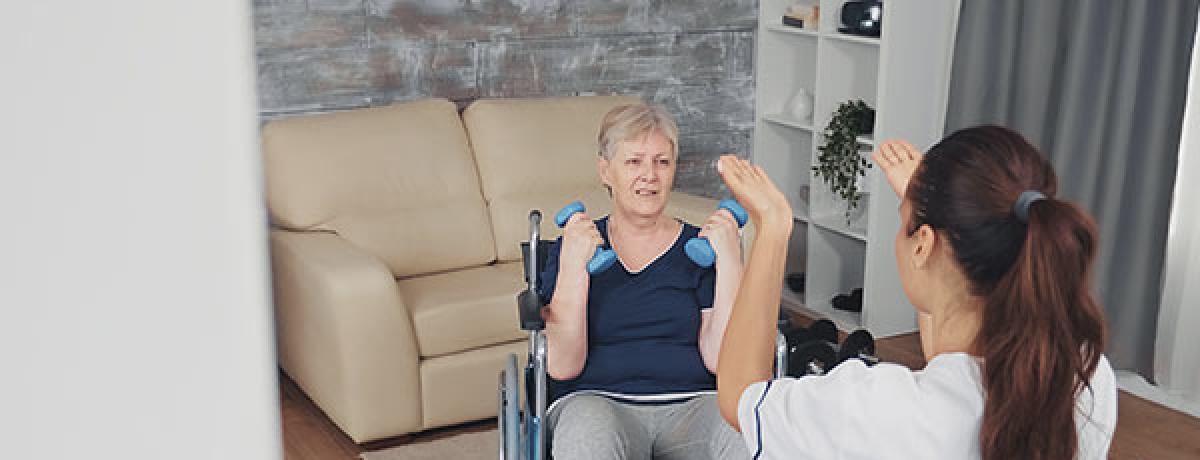
10 basic features for rehabilitation equipment to work
Rehabilitation equipment: what it is, benefits, and 10 key features
Rehabilitation equipment is essential in physical recovery processes, assisted mobility, and muscle strengthening. Today, millions of people worldwide live with conditions that affect their daily functionality and require ongoing therapeutic support.
According to international data, more than 2.4 billion people need rehabilitation services. This makes rehabilitation equipment a key element both in hospitals and in home environments.
What is rehabilitation equipment?
Rehabilitation equipment includes a wide variety of medical devices and therapeutic tools designed to:
-
Restore mobility
-
Improve muscle strength
-
Reduce pain
-
Restore independence
-
Facilitate activities of daily living
These devices can be used in:
-
Hospitals
-
Clinics
-
Rehabilitation centers
-
Homes
They range from basic aids such as walkers or crutches to specialized devices like gait trainers or electrotherapy equipment.
We invite you to read: Follow these essential tips to buy the right folding wheelchair
Why is rehabilitation equipment important?
Modern rehabilitation began to consolidate in the 20th century, when healthcare professionals understood that recovery depends not only on medical treatment but also on comprehensive therapeutic support.
The development of rehabilitation equipment has grown thanks to:
-
Advances in medical technology
-
An aging population
-
Higher incidence of chronic diseases
-
A focus on quality of life
Today, many devices are portable and allow patients to continue therapy at home, improving treatment adherence.
Benefits of rehabilitation equipment
The proper use of rehabilitation equipment, along with professional supervision, provides multiple benefits.
1. Improves mobility and physical function
It helps restore strength, flexibility, and coordination. This facilitates basic activities such as walking, standing up, or getting dressed.
2. Reduces pain and inflammation
Equipment such as electrotherapy helps reduce discomfort and accelerate recovery.
3. Increases independence
Patients can perform daily activities without constantly depending on others.
4. Improves cardiovascular health
Machines such as stationary bikes or treadmills strengthen the cardiovascular system in post-surgical or cardiac patients.
5. Restores muscle strength
Resistance bands, weights, and resistance devices help rebuild muscle mass and tone.
|
Benefit |
Impact on the patient |
Expected outcome |
|---|---|---|
|
Improved mobility |
Greater range of motion |
Functional recovery |
|
Pain reduction |
Less inflammation |
Reduced medication use |
|
Muscle strengthening |
Increased strength |
Greater autonomy |
|
Cardiovascular rehabilitation |
Improved circulation |
Lower cardiac risk |
|
Independence |
Participation in daily activities |
Better quality of life |
What are the 10 basic features of rehabilitation equipment?
For rehabilitation equipment to function properly, it must meet certain technical and functional criteria.
-
Durability: it must withstand frequent use, impacts, and intensive therapy conditions.
-
Adjustability: it must adapt to different body sizes and mobility levels.
-
Safety: it should include non-slip surfaces, brakes, and reliable locking systems.
-
Comfort: ergonomic designs and padding improve user experience.
-
Accessibility: it must be easy to use for people with different types of disabilities.
-
Portability: lightweight, transportable equipment facilitates home use.
-
Versatility: it should allow multiple exercises and therapeutic applications.
-
Simplicity: clear instructions and simple setup.
-
Customization: ability to adjust resistance, height, or angles as needed.
-
Affordability: accessible pricing to ensure equity in rehabilitation.
Key features and their importance
|
Feature |
Why is it important? |
Impact on therapy |
|---|---|---|
|
Safety |
Prevents accidents |
Greater patient confidence |
|
Adjustability |
Adapts to each user |
Personalized therapy |
|
Durability |
Withstands continuous use |
Long-term investment |
|
Portability |
Allows home use |
Continuity of treatment |
|
Comfort |
Reduces fatigue |
Better adherence |
You may also be interested in: How to choose the right adult walker?
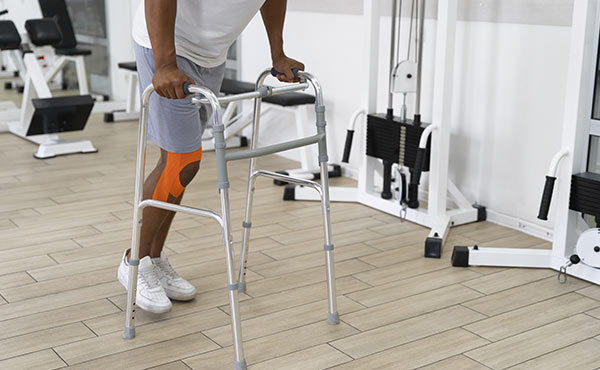
Examples of commonly used rehabilitation equipment
Rehabilitation equipment covers different categories depending on its function.
Exercise machines
-
Treadmills
-
Stationary bikes
-
Ellipticals
They improve cardiovascular endurance and overall strength.
Bands and weights
They help develop muscle strength and range of motion.
Balance equipment
-
Therapy balls
-
Balance boards
-
Stability discs
They reduce the risk of falls.
Mobility aids
-
Walkers
-
Canes
-
Crutches
-
Gait trainers
They provide support for movement.
Electrotherapy
-
Therapeutic ultrasound
-
Electrical muscle stimulation
They reduce pain and speed up recovery.
Orthopedic devices
-
Splints
-
Orthoses
-
Prostheses
They support joint and muscle function.
Frequently asked questions
Who needs rehabilitation equipment?
People who have experienced injuries, surgeries, chronic diseases, strokes, or neuromotor conditions.
Can it be used at home?
Yes. Many modern devices are designed for home use under professional supervision.
Does it replace professional therapy?
No. Rehabilitation equipment complements treatment prescribed by physiotherapists and doctors.
How to choose the right equipment?
The following should be considered:
-
Medical diagnosis
-
Mobility level
-
Available space
-
Budget
-
Professional recommendation
Rehabilitation equipment at Loh Medical
At Loh Medical, we promote mobility and independence through specialized solutions in rehabilitation equipment and assistive technology.
Some devices you can find include:
-
Work tables: provide stability for daily activities such as writing, grooming, or school tasks.
-
Gait trainer: device designed for lower limb recovery in patients with psychomotor difficulties.
-
Gym Smile: equipment designed for children with cerebral palsy, supporting postural alignment and head control.
-
Prone stander: helps strengthen lower limbs and prevent contractures, improving posture.
Rehabilitation equipment is an essential tool to restore mobility, reduce pain, and improve quality of life. Thanks to technological advances, there are now safer, more adjustable, and more accessible devices that allow therapy to continue even at home.
Choosing the right equipment can make a significant difference in the recovery process.
If you need specialized guidance, at Loh Medical we have experience in rehabilitation solutions and medical devices designed to promote independence and well-being.


